Stress & Adrenal
What Does Cortisol Actually Measure?
Cortisol is the most commonly misread marker on a standard hormone panel — most people get one morning number and no context for what it means. Understanding what cortisol actually tracks, and how its diurnal pattern reveals adrenal dysfunction, changes what you do about it.
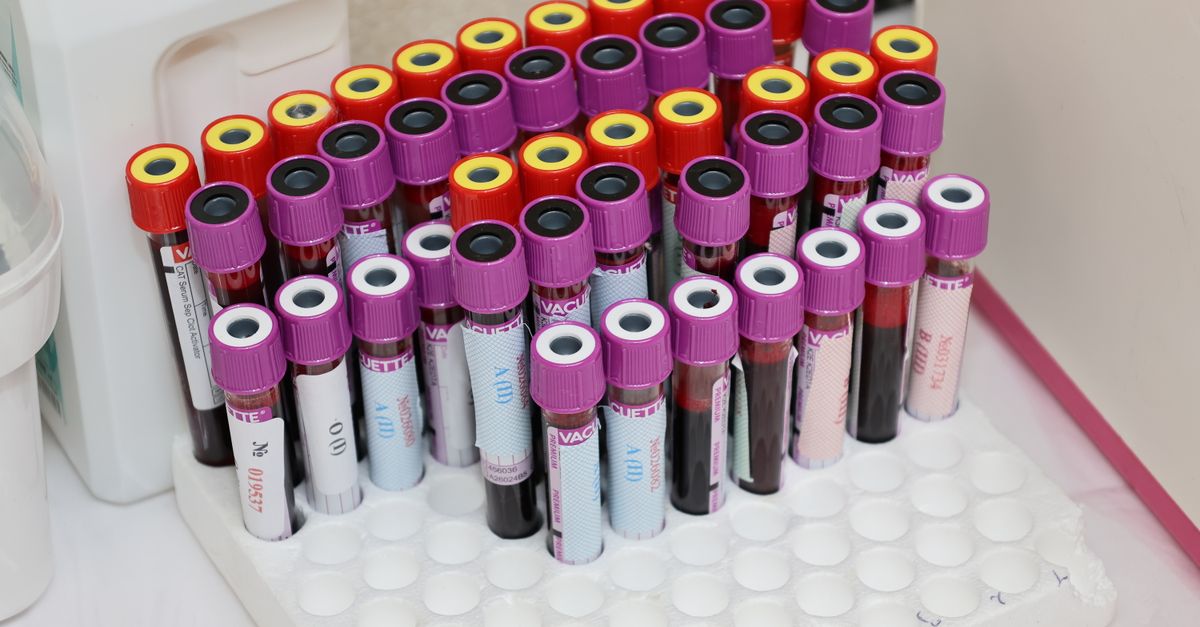
What Does Cortisol Actually Measure?
Cortisol measures adrenal output in response to physiological and psychological stress — it reflects the activation of your HPA (hypothalamic-pituitary-adrenal) axis, not just how anxious you feel. For most people, a single morning serum cortisol value is clinically meaningful only in context: too high suggests HPA hyperactivation or Cushing's; too low suggests adrenal insufficiency or burnout. The important caveat is timing — cortisol peaks within 30–45 minutes of waking and falls throughout the day, so an afternoon reading that looks "low" may simply be normal diurnal rhythm.
---
What the HPA Axis Is Actually Doing
When your brain perceives a stressor — physical, metabolic, or psychological — the hypothalamus releases corticotropin-releasing hormone (CRH). The pituitary responds with ACTH (adrenocorticotropic hormone), which signals the adrenal cortex to synthesize and release cortisol. This cascade is not pathological; it is survival architecture. Cortisol mobilizes glucose, suppresses inflammation acutely, and shifts resources away from digestion and reproduction toward immediate threat response.
The problem in modern life is that the cascade never fully shuts off. Chronic low-grade activation — from poor sleep, caloric restriction, work stress, or subclinical inflammation — keeps cortisol elevated at times when it should be low. A consistently flat or reversed diurnal curve (low in the morning, elevated at night) is associated with burnout, insomnia, and increased all-cause mortality in longitudinal studies (Kumari et al., Psychoneuroendocrinology 2011; PMID: 21367529).
The synthesis pathway itself is worth understanding: cholesterol is the substrate for all steroid hormones, including cortisol. The adrenal cortex converts cholesterol to pregnenolone via the StAR (steroidogenic acute regulatory) protein, then to progesterone, then to cortisol via a series of cytochrome P450 enzymes. This means that aggressive statin use, very low-fat diets, or genetic variants in StAR can all blunt cortisol output independently of HPA signaling — a nuance frequently missed when labs are interpreted in isolation.
Feedback regulation is equally important. Cortisol exerts negative feedback on both the hypothalamus (suppressing CRH) and the pituitary (suppressing ACTH) through glucocorticoid receptors. When those receptors become desensitized after chronic exposure — a process called glucocorticoid resistance — the feedback loop weakens, allowing cortisol to remain elevated even when the original stressor has resolved. Cohen et al. demonstrated in a landmark study that individuals with lower glucocorticoid receptor sensitivity mounted larger inflammatory cytokine responses to rhinovirus challenge, confirming that receptor sensitivity, not just cortisol level, determines downstream immune outcomes (Cohen et al., PNAS 2012; PMID: 22232670).
What the Numbers Actually Reflect
Serum cortisol is typically measured in the morning (7–9 AM) when levels are highest. Reference ranges vary slightly by lab, but a rough guide:
| Timing | Typical Range (mcg/dL) | Interpretation |
|---|---|---|
| Morning (8 AM) | 10–20 mcg/dL | Normal diurnal peak |
| Afternoon (4 PM) | 3–10 mcg/dL | Normal decline |
| Evening (11 PM) | <5 mcg/dL | Should be suppressed |
| Morning (high) | >25 mcg/dL | HPA hyperactivation |
| Morning (low) | <5 mcg/dL | Possible insufficiency |
Salivary and urinary free cortisol tests offer a fuller picture — particularly a 4-point salivary test across the day — but serum is what most standard panels report. If you've had a recent high-sensitivity CRP or inflammatory marker panel, cortisol context matters enormously because chronic HPA activation directly elevates low-grade systemic inflammation.
---
Why Cortisol Matters Beyond Stress
Cortisol intersects nearly every major physiological system. Elevated evening cortisol directly suppresses melatonin secretion, fragmenting sleep architecture. Chronically high cortisol promotes visceral fat accumulation through glucocorticoid receptors on adipose tissue (Björntorp & Rosmond, Obesity Research 2000; PMID: 10997609). It also drives insulin resistance: cortisol upregulates hepatic gluconeogenesis and downregulates GLUT-4 expression in muscle cells, raising fasting glucose without any change in diet.
For anyone monitoring HbA1c or long-term glycemic control, unexplained upward drift in glucose markers may partially reflect adrenal dysregulation rather than diet alone.
Cortisol also exerts significant influence on reproductive hormones. High cortisol competes with progesterone for shared receptors and suppresses LH pulsatility at the hypothalamic level — which is one reason chronic stress disrupts menstrual cycles and lowers testosterone in men. If you've been tracking LH values on a hormone panel, flat or suppressed LH in the context of high cortisol is a meaningful pattern worth investigating with a provider.
Immune function is similarly impacted: acute cortisol is anti-inflammatory, but chronic exposure downregulates glucocorticoid receptor sensitivity, leaving immune cells less responsive and paradoxically inflamed (Cohen et al., PNAS 2012; PMID: 22232670).
One underappreciated mechanism is cortisol's effect on bone turnover. Prolonged glucocorticoid exposure suppresses osteoblast activity and enhances osteoclast-mediated resorption — this is the same pathway responsible for glucocorticoid-induced osteoporosis in patients on long-term prednisone, but it operates at lower magnitude in anyone with chronically dysregulated endogenous cortisol. Tracking bone density markers alongside adrenal labs provides a more complete picture of cumulative cortisol burden over time.
---
How to Test Cortisol Properly
A single serum reading captures one point on a curve that changes dramatically across the day. For clinical purposes, the testing hierarchy looks like this:
- Fasting morning serum cortisol — standard screening, useful for ruling out Addison's disease or Cushing's syndrome
- 24-hour urinary free cortisol — gold standard for diagnosing hypercortisolism; integrates total daily output
- 4-point salivary cortisol (waking, noon, 4 PM, before bed) — best for assessing the diurnal curve and identifying rhythm disruptions
- DHEA-S alongside cortisol — the cortisol-to-DHEA ratio is a functional measure of adrenal reserve; a low ratio suggests adrenal aging or burnout
- Cortisol awakening response (CAR) — measuring cortisol at waking and 30 minutes later quantifies HPA reactivity, increasingly used in psychoneuroimmunology research
- Late-night salivary cortisol — a single 11 PM salivary sample is a highly sensitive screening tool for Cushing's syndrome; two elevated readings on separate nights have a sensitivity exceeding 90% according to Endocrine Society clinical guidelines
If you're ordering labs independently, most functional medicine providers recommend pairing cortisol with SHBG and thyroid markers — these axes are tightly interconnected, and treating cortisol dysregulation in isolation often produces incomplete results.
---
Lifestyle and Nutritional Factors That Move Cortisol
Before addressing supplementation, it's worth noting which modifiable inputs have the strongest evidence for normalizing cortisol patterns:
- Sleep duration and quality: Even one night of sleep restriction to 4 hours raises next-day evening cortisol by ~37% in controlled trials (Leproult et al., Sleep 1997; PMID: 9377547)
- Caloric restriction and skipping breakfast: Undereating is a physiological stressor — fasted training in a caloric deficit markedly raises morning cortisol
- High-intensity exercise volume: Moderate exercise lowers cortisol; excessive volume without recovery raises it persistently
- Social connection and perceived control: Psychological interventions targeting perceived control reduce CAR amplitude in randomized trials
- Caffeine timing: Consuming caffeine before the CAR peak (before 9:30 AM) blunts natural awakening cortisol — many functional practitioners recommend delaying caffeine 90 minutes after waking
- Phosphatidylserine: 400–800mg per day has been shown in controlled trials to blunt exercise-induced ACTH and cortisol release, with the most robust evidence in overtraining scenarios (Monteleone et al., Neuroendocrinology 1992; PMID: 1298890). This is one of the few nutrients with direct HPA-blunting evidence in humans rather than animal models only.
- Magnesium depletion: Magnesium acts as a physiological brake on the NMDA receptor in the hypothalamus, reducing CRH release. Subclinical hypomagnesemia — common in people with high stress loads due to urinary magnesium wasting — removes that brake, amplifying HPA reactivity. This creates a vicious cycle: stress depletes magnesium, and low magnesium worsens the stress response.
---
What Ones Addresses for Adrenal Support
Personalized supplementation for cortisol dysregulation needs to match the direction of dysfunction — someone with low, flat cortisol needs different support than someone with high evening cortisol and poor sleep. This is precisely where a data-driven approach like Ones adds clinical precision that generic adaptogen blends cannot.
Ones uses your blood work, wearable data, and health history to build a custom daily capsule formula. For adrenal and stress-axis concerns, three ingredients are most likely to appear — each at validated clinical doses:
Ashwagandha (KSM-66, 600mg): The most replicated adaptogen for cortisol reduction. A randomized, double-blind trial in chronically stressed adults (n=64, 60-day duration) showed KSM-66 at 300mg twice daily reduced serum cortisol by 27.9% versus placebo, alongside significant reductions in perceived stress scores (Chandrasekhar et al., Indian J Psychol Med 2012; PMID: 23439798). Ones sources KSM-66 specifically — the branded root extract with the most published human trial data — dosed at 600mg, which matches the trial range.
Ones Adrenal Support Blend: This proprietary System Support is designed for HPA axis regulation. Rather than a single adaptogen, it combines multiple actives targeting cortisol rhythm, adrenal nutrient repletion, and stress resilience. It's included in formulas where the AI identifies a broader adrenal pattern rather than a single-nutrient gap.
Rhodiola Rosea: Rhodiola acts on the HPA axis primarily through inhibition of cortisol-induced enzyme activity and upregulation of stress-protective proteins (Panossian & Wikman, Pharmaceuticals 2010; PMID: 27713248). It is particularly well-evidenced for fatigue and burnout presentations where morning cortisol is flat rather than elevated — a pattern distinct from acute stress. A 28-day open-label trial in burnout patients found that Rhodiola extract (SHR-5, 400mg/day) significantly reduced scores on the Pines Burnout Scale and improved morning cortisol peak amplitude, suggesting partial restoration of normal diurnal rhythm rather than simply sedating the stress response.
The key distinction is that Ones doesn't add all of these simultaneously by default. The 6- or 9-capsule daily plan is calibrated by the AI to your specific findings — an elevated morning cortisol picture may call for KSM-66 and magnesium glycinate; a flat diurnal curve may call for Rhodiola and adrenal blend support.
---
Interpreting Your Cortisol in a Broader Panel Context
Isolated cortisol readings without context are common in standard panels and are frequently misinterpreted. Here's a practical framework:
| Cortisol Pattern | Likely Contributing Factors | Key Next Steps |
|---|---|---|
| High morning, high evening | Chronic HPA activation, poor sleep | Salivary curve, sleep study, KSM-66 |
| Normal morning, high evening | Circadian disruption, light exposure | Sleep hygiene, screen curfew |
| Low morning, low throughout | Adrenal insufficiency vs. burnout | ACTH stimulation test, DHEA-S |
| High morning, low by noon | High reactivity with rapid drop | Assess workload, meal timing |
| Flat curve (all low) | Possible HPA downregulation | DHEA-S, full adrenal panel |
If your panel includes homocysteine, it's worth noting that chronic adrenal stress can elevate homocysteine through B-vitamin depletion pathways — cortisol drives urinary excretion of B6, and B6 is a required cofactor in the transsulfuration pathway. You can read more about what homocysteine levels actually indicate in our separate guide.
Another important contextual pairing is ApoB and cardiovascular risk markers. Chronic cortisol elevation promotes dyslipidemia through increased hepatic VLDL synthesis, so elevated ApoB in an otherwise healthy individual with no dietary explanation should prompt adrenal evaluation. The relationship between HPA dysregulation and lipid metabolism is bidirectional — high LDL substrate availability feeds back into steroidogenesis, while cortisol excess drives LDL particle production. Neither axis should be treated in isolation when both are abnormal.
---
Key Takeaways
- Cortisol measures HPA axis activation, not just stress — it reflects adrenal output in response to physiological signals including sleep deprivation, undereating, inflammation, and psychological load
- Timing is everything: a single serum value without time-of-day context is minimally interpretable; a 4-point salivary curve reveals diurnal rhythm disruption most reliably
- Chronic elevation is not the only problem — a flat, blunted curve (low throughout the day) suggests adrenal burnout and requires a different intervention than high cortisol
- Cortisol intersects glycemic control, reproductive hormones, inflammation, bone turnover, and sleep — unexplained changes in any of these markers warrant checking adrenal function
- KSM-66 ashwagandha at 600mg has the strongest clinical evidence for reducing elevated cortisol in chronically stressed adults, with a 27.9% reduction in one RCT
- Personalized assessment beats generic adrenal stacks — the direction and pattern of cortisol dysregulation should drive ingredient selection, not a one-size-fits-all adaptogen formula
---
Always consult a licensed healthcare provider before making changes to supplementation based on lab results, particularly if adrenal insufficiency or Cushing's syndrome is suspected.