Supplements
What Does LH Actually Measure?
Luteinizing hormone (LH) is a small but decisive signal your pituitary sends to the gonads — yet most people have no idea what their LH number actually means. Whether your level is flagged high or low, the real story is about the upstream hormonal chain, not just the number itself.
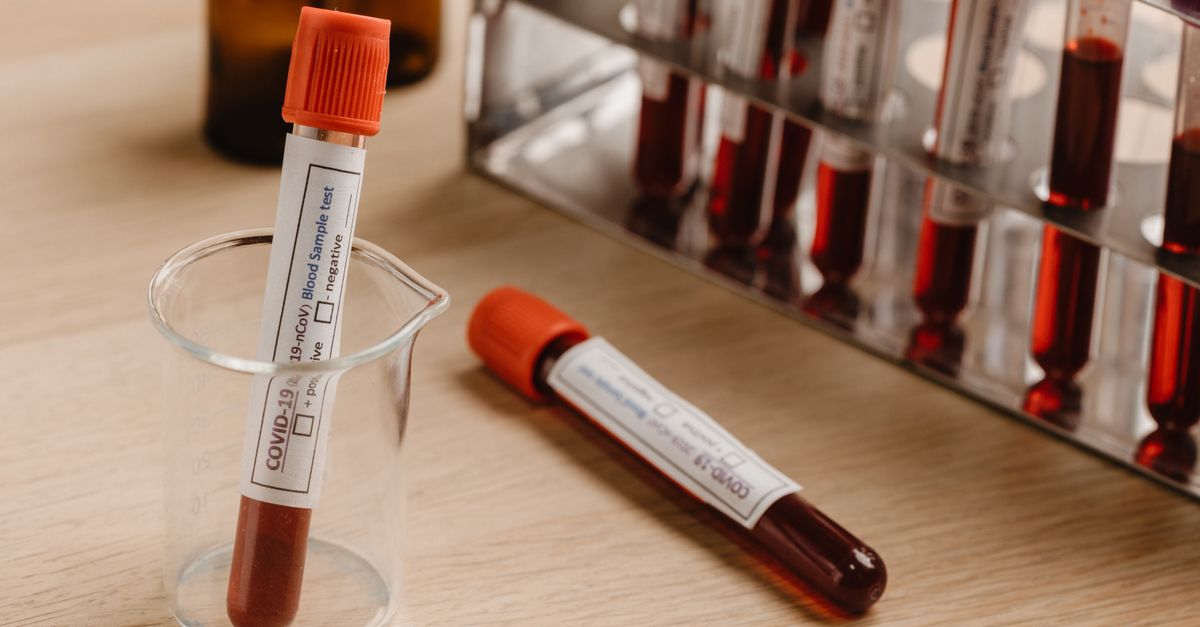
What Does LH Actually Measure?
LH (luteinizing hormone) measures the pituitary gland's demand signal to the gonads: in women it triggers ovulation and drives progesterone production from the corpus luteum; in men it tells Leydig cells in the testes to produce testosterone. A single LH reading tells you where in the hormonal chain the problem sits — it almost never tells you the whole story on its own.
---
The Biology Behind LH: What the Number Actually Represents
Luteinizing hormone is a glycoprotein released in pulses by the anterior pituitary gland, under the direction of gonadotropin-releasing hormone (GnRH) from the hypothalamus. That upstream dependency is critical: LH is not an autonomous signal — it is the middle link in the hypothalamic–pituitary–gonadal (HPG) axis.
In clinical terms, LH does two things:
- In people with ovaries: A dramatic LH surge (typically 10× baseline) triggers final oocyte maturation and ovulation roughly 24–36 hours later. After ovulation, LH supports the corpus luteum in producing progesterone.
- In people with testes: LH binds to Leydig cells and stimulates the enzymatic conversion of cholesterol into testosterone via the steroidogenesis pathway.
Reference ranges vary by sex and cycle phase, but broadly:
| Population | Typical LH Range (mIU/mL) | Clinical Context |
|---|---|---|
| Follicular phase (females) | 2–15 | Baseline gonadotropin activity |
| LH surge (females) | 22–105 | Ovulatory trigger |
| Luteal phase (females) | 0.5–16 | Post-ovulation corpus luteum support |
| Postmenopausal (females) | 14–52 | Ovarian failure, elevated feedback |
| Adult males | 1.7–8.6 | Ongoing Leydig cell stimulation |
Because LH is released in pulses every 60–90 minutes, a single blood draw can misrepresent true secretory status. Some endocrinologists recommend 3 samples drawn 20–30 minutes apart and averaged — a detail that matters enormously when borderline results drive clinical decisions (Veldhuis et al., Journal of Clinical Endocrinology & Metabolism 1987; PMID: 3680591).
---
High LH: What It Usually Signals
Elevated LH generally indicates that the pituitary is working harder than usual — most often because the gonads are not producing enough sex hormone to suppress its release (negative feedback failure).
Common causes of high LH:
- Primary hypogonadism (Klinefelter syndrome, premature ovarian insufficiency, post-chemotherapy gonadal damage)
- Menopause and perimenopause — falling ovarian estradiol removes the negative feedback brake
- Polycystic ovary syndrome (PCOS) — a hallmark pattern is an elevated LH-to-FSH ratio ≥ 2:1, which amplifies androgen production from ovarian theca cells (Balen et al., Human Reproduction Update 2004; PMID: 15140873)
- Hypothalamic dysfunction causing disordered GnRH pulsatility (less common)
One nuance that catches people off guard: in PCOS, LH is technically high but the downstream effect is paradoxically androgenic rather than ovulatory. The pulsatility pattern is dysrhythmic enough that a true LH surge capable of triggering ovulation never forms cleanly.
---
Low LH: Functional vs. Structural Causes
Low LH means the pituitary is not sending enough signal — or the hypothalamus isn't sending enough GnRH to prompt it. This pattern is called hypogonadotropic hypogonadism (low gonadotropins alongside low sex hormones).
Functional causes are common and often reversible:
- Relative energy deficiency (RED-S / hypothalamic amenorrhea): caloric restriction and overtraining suppress GnRH pulsatility. Studies in female athletes show LH pulse frequency drops measurably within two weeks of energy deficit (Loucks & Thuma, Journal of Clinical Endocrinology & Metabolism 2003; PMID: 12679460)
- Chronic psychological stress: elevated cortisol directly inhibits GnRH neurons in the hypothalamus
- Severe illness or overtraining syndrome
- Hyperprolactinemia: excess prolactin suppresses GnRH, secondarily lowering LH and FSH
Structural causes include pituitary adenomas, hemochromatosis (iron deposition in the pituitary), and Kallmann syndrome (GnRH neuron migration failure).
Understanding whether your LH is affected by metabolic markers like fasting glucose or inflammatory signals like C-reactive protein adds important context — chronic low-grade inflammation and insulin resistance both impair HPG axis signaling.
---
LH in Context: Why You Should Never Read It Alone
LH is most informative when read alongside:
- FSH (follicle-stimulating hormone): The LH:FSH ratio is diagnostically significant. A ratio > 2 in a woman with irregular cycles points strongly toward PCOS; a ratio near 1 with both elevated is more consistent with ovarian insufficiency.
- Estradiol (E2) or Testosterone: These are the gonadal outputs that LH is trying to stimulate. If LH is high but testosterone is also high, suspect PCOS or exogenous androgen use. If both are low, that confirms hypogonadotropic hypogonadism.
- Prolactin: Elevated prolactin suppresses LH without touching the gonads directly — it's a critical confounder.
- Thyroid function: Hypothyroidism elevates TSH and thyrotropin-releasing hormone (TRH), which can secondarily raise prolactin and suppress LH. Always consider reading Free T4 alongside reproductive hormones.
- Inflammatory markers: Chronic inflammation, tracked via CRP levels, can suppress hypothalamic GnRH pulsatility at the neuronal level.
A well-conducted functional medicine panel interprets these markers as a system, not individual data points.
---
Does Saffron Support LH Balance?
Saffron (Crocus sativus) has attracted research interest primarily for mood and antidepressant effects, but its interaction with the HPG axis is a secondary area of investigation worth understanding.
Preclinical data suggest crocin and safranal — the active constituents — modulate serotonergic and dopaminergic pathways that upstream regulate GnRH pulsatility. Since dopamine agonism suppresses prolactin, and prolactin excess suppresses LH, there is a plausible indirect mechanism.
A 2021 randomized controlled trial in women with premenstrual syndrome found that 30 mg/day saffron extract over 8 weeks improved psychological symptoms and menstrual regularity versus placebo (Moshiri et al., Journal of Obstetrics and Gynaecology 2021). While this trial did not directly measure LH levels, improvements in cycle regularity suggest improved HPG axis synchrony. The evidence is preliminary but mechanistically coherent; saffron is not a direct LH modulator, but may reduce prolactin-mediated suppression of the axis. Consult a healthcare provider before using saffron therapeutically.
---
Does L-Carnitine Work for Hormonal or Reproductive Support?
L-carnitine has an evidence base worth examining in reproductive contexts. Its primary role is mitochondrial fatty acid transport, but it shows up repeatedly in fertility research.
In men with idiopathic infertility, carnitine appears to improve sperm motility and morphology — outcomes that indirectly depend on healthy Leydig cell testosterone production (stimulated by LH). A 2012 Cochrane-adjacent meta-analysis found that carnitine supplementation significantly improved sperm motility in infertile men (Showell et al., systematic review data).
In women with PCOS, a 2021 RCT demonstrated that 3 g/day L-carnitine over 12 weeks improved ovulation rate, menstrual regularity, and reduced LH:FSH ratio compared to placebo (Karimzadeh et al., Gynecological Endocrinology 2021; PMID: 33289427). The LH:FSH ratio reduction is particularly notable because normalizing this ratio is a key clinical target in PCOS management.
L-carnitine is not a drug — it works by supporting mitochondrial efficiency in steroidogenic and germ cells, not by directly binding LH receptors. But the downstream impact on LH-related outcomes is real and dose-dependent.
---
Does Taurine Work for Hormonal Regulation?
Taurine is a conditionally essential amino acid with actions in the hypothalamus and pituitary that most people are completely unaware of. It acts as a neuromodulator — specifically as a partial GABA-A receptor agonist — which gives it a calming, anti-excitatory effect at the hypothalamic level.
Chronic psychological stress drives CRH and cortisol production, which in turn suppress GnRH pulsatility and reduce LH. Taurine's ability to blunt the HPA axis stress response theoretically protects LH secretion from cortisol-mediated suppression.
Animal studies have shown that taurine supplementation preserves LH pulsatility under conditions of experimental stress (El Idrissi & Trenkner, Journal of Neuroscience 1999; PMID: 10024352). Human data specifically on LH are limited, but taurine's well-established hepatoprotective and antioxidant properties matter here too: the liver metabolizes estrogens and androgens, and impaired hepatic clearance distorts the hormonal feedback environment that LH reads. Protecting liver function is a meaningful indirect support for HPG axis integrity.
---
What This Means for Your Formula
If your bloodwork shows LH abnormalities — whether elevated in the PCOS pattern or suppressed in the context of stress or energy deficit — a personalized supplement strategy should address the upstream cause, not just the number.
Here are three evidence-backed ingredients Ones incorporates that are relevant to HPG axis support:
1. Ashwagandha (KSM-66, 600 mg)
KSM-66 ashwagandha is one of the most studied adaptogens for HPG axis support. A 2019 double-blind RCT in men with subclinical hypothyroidism and reproductive concerns found KSM-66 (600 mg/day, 8 weeks) significantly raised serum testosterone, LH, and DHEA-S versus placebo (Lopresti et al., Medicine 2019; PMID: 31479143). The mechanism runs through cortisol reduction: lowering chronic cortisol removes its inhibitory effect on hypothalamic GnRH neurons, allowing LH to normalize. Ones includes KSM-66 at the full 600 mg clinical dose.
2. Zinc (Bisglycinate form)
Zinc is a co-factor in GnRH synthesis and LH receptor sensitivity. Clinical data show that zinc deficiency is associated with hypogonadotropic hypogonadism in both sexes, and repletion partially restores LH pulsatility. Ones uses zinc bisglycinate for superior absorption relative to zinc oxide, at doses calibrated to your intake from diet and labs.
3. Vitamin D3 + K2 (MK-7)
Vitamin D receptors are expressed in hypothalamic and pituitary tissue. Low vitamin D has been associated with reduced LH in cross-sectional studies, and supplementation trials in PCOS show modest improvements in LH:FSH ratio alongside improved insulin sensitivity. Ones pairs D3 with MK-7 to ensure calcium is directed appropriately, which is especially relevant when correcting a deficiency that has intersected with hormonal imbalance.
Because LH problems almost always have a systemic upstream cause — stress, inflammation, thyroid dysfunction, metabolic dysfunction — a formula that reads your full biomarker picture is more useful than any single-ingredient fix.
---
Key Takeaways
- LH is a demand signal, not a direct hormone: it tells the gonads to produce testosterone or trigger ovulation — understanding why it's elevated or low matters more than the number alone.
- High LH usually means the gonads aren't responding (PCOS, menopause, primary hypogonadism); low LH usually means the hypothalamus or pituitary is suppressed (stress, energy deficit, prolactin excess).
- Never interpret LH in isolation: pair it with FSH, estradiol or testosterone, prolactin, thyroid markers, and inflammatory indicators for a clinically meaningful picture.
- L-carnitine (3 g/day) has the strongest direct evidence for normalizing LH:FSH ratio in women with PCOS; saffron and taurine offer indirect HPG axis support via prolactin modulation and cortisol buffering respectively.
- Ashwagandha KSM-66 (600 mg) and zinc are the most evidence-backed supplement interventions for restoring LH amplitude when the root cause is chronic stress or micronutrient deficiency.
- A single LH blood draw can be misleading due to pulsatile release — context, cycle phase, and a full hormone panel are essential for accurate interpretation.