Supplements
What Does SHBG Actually Measure?
SHBG — sex hormone-binding globulin — determines how much of your testosterone and estrogen is biologically active. Most people get the number on a lab panel and have no idea what it means. Understanding it can explain fatigue, low libido, weight struggles, and more.
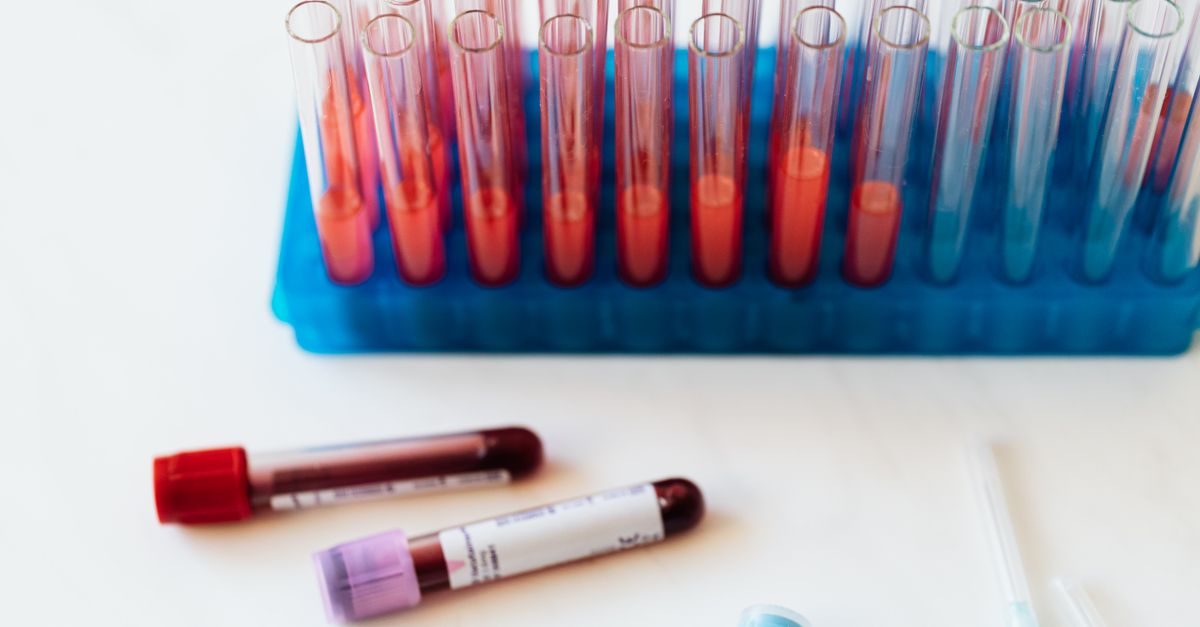
What Does SHBG Actually Measure?
SHBG (sex hormone-binding globulin) is a glycoprotein produced by the liver that binds tightly to sex hormones — primarily testosterone and estradiol — making them unavailable to tissues. High SHBG leaves too little free hormone for cells to use; low SHBG floods tissues with unregulated hormone. The main caveat: SHBG levels are powerfully shaped by insulin, thyroid status, and liver function, so the number alone rarely tells the whole story.
---
Why SHBG Is the Hormone Gatekeeper Most Labs Ignore
Your total testosterone might look fine. Your estradiol might be in range. But if SHBG is too high, neither hormone reaches your cells in a usable form — and you can still experience every symptom of hormone deficiency despite "normal" numbers.
SHBG binds sex hormones with high affinity. Testosterone bound to SHBG is essentially inert: it cannot enter cells, cannot activate androgen receptors, and cannot drive the physiological effects you rely on for energy, muscle protein synthesis, mood stability, or libido. Only the fraction not bound — "free" testosterone or estradiol — is biologically active (Rosner et al., Journal of Clinical Endocrinology & Metabolism 2010; PMID: 19846742).
Because SHBG is produced in the liver, virtually anything that affects liver function or metabolic signaling will move SHBG. This is why interpreting SHBG without also looking at fasting glucose, thyroid hormones like free T4, or inflammatory markers like CRP gives an incomplete picture.
What SHBG Reference Ranges Actually Mean
| Population | Typical SHBG Range (nmol/L) | Clinical Concern |
|---|---|---|
| Adult men | 10–57 | <10 suggests insulin resistance; >57 may leave too little free T |
| Premenopausal women | 18–144 | High end common with oral contraceptives |
| Postmenopausal women | 17–125 | Low levels correlate with metabolic syndrome risk |
| Adolescents (both sexes) | Wide variation — age-dependent | — |
These ranges vary by laboratory and assay method, so always interpret your result in the context of the reference interval provided by your specific lab.
---
What Causes High SHBG — and What It Does to Your Hormones
Elevated SHBG is one of the most underappreciated causes of functional hormone deficiency. You can have a total testosterone of 600 ng/dL and still have free testosterone at the bottom of the range if SHBG is running at 70+ nmol/L.
Common drivers of high SHBG:
- Hyperthyroidism or elevated free T4
- Low insulin / very low carbohydrate intake
- Liver inflammation or early cirrhosis
- Aging (SHBG rises roughly 1–2% per year after 40)
- Anorexia or severe caloric restriction
- Certain medications, including anticonvulsants and some antifungals
A large cross-sectional analysis of 3,014 men found that SHBG increased significantly with age and was inversely associated with insulin sensitivity — men with the highest fasting insulin had the lowest SHBG (Haffner et al., Journal of Clinical Endocrinology & Metabolism 1994; PMID: 7962294). This relationship is now well-replicated and underpins why metabolic health is inseparable from hormonal health.
Symptoms of high SHBG / low free testosterone in men:
- Fatigue and low motivation
- Reduced muscle mass or difficulty building muscle
- Decreased libido
- Brain fog
- Depressed mood
Symptoms of high SHBG in women:
- Low libido
- Vaginal dryness
- Mood instability around cycle
- Fatigue resistant to sleep improvements
---
What Causes Low SHBG — and Why It's Linked to Metabolic Risk
Low SHBG is not simply the opposite of the problem above. While it means more free hormone circulates, chronically low SHBG is an independent risk marker for type 2 diabetes, nonalcoholic fatty liver disease, and cardiovascular disease — in both men and women.
Common drivers of low SHBG:
- Insulin resistance and elevated fasting insulin
- Obesity, especially visceral adiposity
- Hypothyroidism or low free T4
- Elevated androgens (e.g., PCOS in women)
- High caloric intake with excess refined carbohydrates
- Elevated IGF-1
A prospective cohort study published in Diabetes Care (Perry et al. 2010; PMID: 20200306) followed over 1,500 participants and found that low SHBG was associated with a 4-fold increased risk of developing type 2 diabetes, independent of obesity. The relationship appears to be bidirectional: insulin suppresses hepatic SHBG production, and low SHBG may further amplify androgen-driven insulin resistance.
For women with PCOS, low SHBG is part of the diagnostic picture. Elevated free androgens — driven partly by suppressed SHBG — contribute to acne, hirsutism, irregular cycles, and difficulty losing weight. Tracking LH and FSH alongside SHBG gives a fuller picture of the HPG axis in these cases.
---
How to Calculate Free Testosterone from SHBG
Most standard labs report total testosterone. Free testosterone is either directly measured (less reliable) or calculated using the Vermeulen formula, which accounts for SHBG, albumin, and total testosterone:
Vermeulen Free Testosterone Estimate:
> Free T (pmol/L) = [Total T] / (SHBG × Ka + albumin × Ka2 + 1)
This formula requires knowing SHBG in nmol/L and albumin in g/dL. Most hormone-savvy clinicians or platforms that analyze lab data will calculate this automatically. What matters practically:
- A man with total T of 500 ng/dL and SHBG of 65 nmol/L may have free testosterone below the 2nd percentile for his age.
- The same man with SHBG of 25 nmol/L would have robust free T well within the normal range.
This is why total testosterone in isolation is insufficient for evaluating androgen status — a point increasingly recognized in functional and integrative medicine.
---
SHBG, Estrogen, and What Women Are Often Not Told
For women, SHBG plays an equally important regulatory role — but the conversation is often dominated by testosterone framing. SHBG also binds estradiol, though with lower affinity than it binds testosterone. This means changes in SHBG affect estrogen bioavailability too.
Oral contraceptives containing ethinyl estradiol substantially raise SHBG — sometimes 3–4x above baseline — which suppresses free testosterone. Some women on the pill report persistent low libido and fatigue even after discontinuing, possibly due to slow SHBG normalization that can take 6–12 months (Panzer et al., Journal of Sexual Medicine 2006; PMID: 16422843). This is now a recognized phenomenon in reproductive endocrinology, though it remains underdiagnosed in primary care.
Postmenopausal women with low SHBG face a different risk: excess free estrogen relative to progesterone, and elevated free androgen exposure, both of which carry cardiometabolic implications. Reviewing ApoB alongside SHBG in postmenopausal women provides useful context for cardiovascular risk stratification.
---
Lifestyle and Nutritional Levers That Move SHBG
SHBG is not static. It responds meaningfully to diet, body composition, supplementation, and lifestyle — which is both good news and a source of confusion when labs fluctuate.
Strategies to Raise SHBG (useful when levels are low / metabolic risk is elevated)
- Increase dietary fiber: A controlled trial showed that adding 10g of supplemental fiber daily raised SHBG significantly over 10 weeks in men with metabolic syndrome (Jenkins et al., Metabolism 1994).
- Reduce refined carbohydrate and fructose intake: Both elevate insulin acutely, suppressing hepatic SHBG synthesis.
- Optimize thyroid function: Hypothyroidism is a potent suppressor of SHBG; treating subclinical hypothyroidism frequently raises SHBG within weeks.
- Moderate alcohol intake: Alcohol impairs liver function and suppresses SHBG production.
- Strength training: Resistance exercise improves insulin sensitivity over time, which secondarily supports SHBG normalization.
Strategies to Lower SHBG (useful when levels are elevated / free hormone is insufficient)
- Address underlying hyperthyroidism if present — elevated thyroid hormone is a major SHBG driver.
- Increase caloric density modestly if severe caloric restriction is a contributing factor.
- Boron supplementation: A small but replicated clinical trial found that 10 mg/day of boron for one week reduced SHBG by approximately 9% and increased free testosterone by 28% in healthy men (Naghii et al., Journal of Trace Elements in Medicine and Biology 2011; PMID: 21129941). The mechanism appears to involve competitive binding and reduced SHBG glycosylation.
- Normalize insulin/IGF-1 signaling: Counterintuitively, improving insulin sensitivity raises SHBG when levels are pathologically low, but can modestly lower SHBG when it is elevated due to excess GH or IGF-1 signaling.
---
What This Means for Your Formula
Ones analyzes your full hormone panel — including total testosterone, free testosterone (calculated or measured), SHBG, and metabolic markers — to identify whether low free hormone availability is driving your symptoms. Rather than treating a number in isolation, the AI practitioner looks at the pattern: Is SHBG high because of a thyroid issue? Low because of insulin resistance? Then it builds a formula addressing the upstream driver.
For individuals with low SHBG tied to insulin resistance and metabolic dysfunction, Ones may include Berberine at clinically studied doses (500mg, 2–3x daily), which improves insulin sensitivity and has been shown to raise SHBG in women with PCOS in randomized trial data. For those with elevated SHBG suppressing free testosterone, Boron at the 10mg dose studied by Naghii et al. is part of the catalog. And because the liver is SHBG's production site, Ones' Liver Support System Blend — a proprietary combination targeting hepatic function — is considered when liver-driven SHBG dysregulation is part of the picture.
This is precisely the kind of connection that a standard supplement routine misses: the same SHBG problem has different root causes requiring different solutions, and a one-size formula cannot address all of them.
---
Key Takeaways
- SHBG is the gatekeeper between total and free hormone: even with normal total testosterone or estradiol, high SHBG can leave you functionally deficient.
- Low SHBG is an independent metabolic risk marker: associated with insulin resistance, type 2 diabetes risk, and NAFLD — not just a hormonal finding.
- Oral contraceptives can raise SHBG 3–4x, potentially suppressing free testosterone for months after discontinuation.
- Diet, thyroid status, body composition, and liver health are the primary levers that move SHBG — and they interact in complex ways.
- Boron at 10 mg/day has the strongest trial-level evidence for modestly reducing SHBG in men with elevated levels.
- Always interpret SHBG alongside free testosterone, fasting insulin, and thyroid markers — the number means very little in isolation.
---
This article is for informational purposes only and does not constitute medical advice. Consult a qualified healthcare provider before making changes to your supplement or medication regimen.