Supplements
What Does FSH Actually Measure?
FSH is one of the most misread hormones on a standard lab panel. Whether yours reads high, low, or "normal," the number alone rarely tells the full story — what matters is where you are in your cycle, your age, and what LH, estrogen, and AMH are doing at the same time.
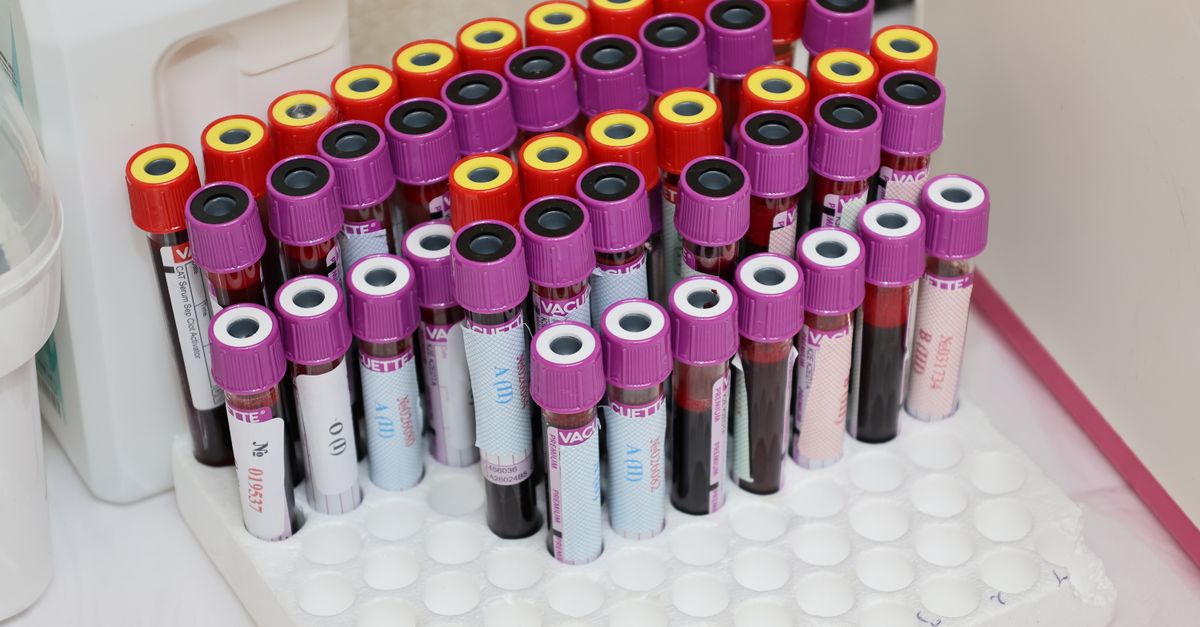
What Does FSH Actually Measure?
FSH (follicle-stimulating hormone) is a pituitary signal that tells your ovaries or testes to produce mature reproductive cells and sex hormones. Elevated FSH usually means the pituitary is working harder because the gonads aren't responding well — a pattern seen in perimenopause, primary ovarian insufficiency, or low testosterone in men. Low FSH points to a different problem: the pituitary itself isn't firing, which can suppress fertility regardless of how healthy the gonads are.
---
What FSH Actually Does in the Body
FSH is a glycoprotein hormone secreted by the anterior pituitary gland. It belongs to the same family as LH (luteinizing hormone), TSH, and hCG — all of which share a common alpha subunit but differ in their beta subunits, giving each a distinct receptor target.
In people with ovaries, FSH has two primary jobs:
- Stimulate the growth and maturation of ovarian follicles during the follicular phase of the menstrual cycle.
- Trigger the granulosa cells inside those follicles to convert androgens into estradiol via the aromatase enzyme.
In people with testes, FSH targets Sertoli cells — the "nurse cells" of the testes — to support spermatogenesis. Without adequate FSH signaling, sperm count and quality decline even when testosterone remains in range (Oduwole et al., Frontiers in Endocrinology 2021; PMID: 33854483).
The pituitary releases FSH in pulses governed by GnRH (gonadotropin-releasing hormone) from the hypothalamus. Estradiol and inhibin B — a protein secreted by granulosa and Sertoli cells — provide negative feedback that keeps FSH in check. When follicle reserves fall (as in perimenopause), inhibin B drops first, and FSH climbs in response. That's why FSH is often the earliest hormonal signal of declining ovarian reserve, sometimes rising years before estradiol falls.
If you're trying to understand how FSH interacts with LH across a cycle, the dedicated explainer on what LH actually measures covers the mid-cycle surge and its relationship to ovulation timing in detail.
---
How to Interpret FSH Levels: Reference Ranges and Context
Reference ranges for FSH vary by lab, but broadly accepted clinical benchmarks are:
| Population / Phase | FSH Range (mIU/mL) | Clinical Implication |
|---|---|---|
| Menstrual (Day 2–3) | 3–10 | Normal ovarian reserve |
| Follicular phase | 3–10 | Normal |
| Mid-cycle (LH surge) | 6–20 | Normal ovulatory peak |
| Luteal phase | 1.5–7 | Normal post-ovulation drop |
| Perimenopause | 10–20+ | Transitional |
| Postmenopause | 25–135 | Expected elevation |
| Reproductive-age male | 1.5–12 | Normal spermatogenesis support |
| Male — low sperm count | Often >12 or <1.5 | Requires workup |
A single FSH number is almost meaningless without:
- Cycle day — a Day 3 FSH of 15 mIU/mL is concerning; the same value mid-cycle is unremarkable.
- Concurrent estradiol — a high estradiol on Day 3 can falsely suppress FSH, making ovarian reserve look better than it is.
- LH ratio — elevated LH-to-FSH ratio (>2:1) is a classic finding in polycystic ovary syndrome (PCOS).
- AMH — anti-Müllerian hormone is a steadier marker of ovarian reserve across the cycle and is now often preferred over FSH for fertility assessments (Broer et al., Human Reproduction Update 2014; PMID: 24173625).
For a deeper look at how FSH shifts across each phase of the menstrual cycle, the phase-by-phase breakdown on what FSH looks like at each phase of your cycle is worth reading alongside this article.
---
What High FSH Actually Signals
High FSH is the pituitary's distress call. The brain is sensing inadequate gonadal output and is turning up the volume on its signal. Common causes include:
In people with ovaries:
- Diminished ovarian reserve (DOR): Fewer antral follicles means less inhibin B feedback, so FSH climbs. A Day 3 FSH consistently above 10 mIU/mL warrants further evaluation.
- Primary ovarian insufficiency (POI): FSH above 25 mIU/mL on two separate tests taken ≥4 weeks apart in someone under 40 meets the diagnostic threshold for POI (European Society of Human Reproduction and Embryology guideline, 2016).
- Perimenopause and menopause: Ovarian follicle depletion drives FSH progressively higher. Women are typically considered postmenopausal when FSH exceeds 25–30 mIU/mL after 12 consecutive months without a period.
- Turner syndrome and other chromosomal conditions: Gonadal dysgenesis causes very high FSH from an early age.
In people with testes:
- High FSH with low sperm count suggests Sertoli cell dysfunction or primary testicular failure (e.g., Klinefelter syndrome, prior orchitis, or chemotherapy damage).
- High FSH with normal testosterone points to isolated spermatogenic failure rather than Leydig cell dysfunction.
---
What Low FSH Actually Signals
Low FSH is a central — not gonadal — problem. The pituitary or hypothalamus isn't sending the signal, regardless of how capable the ovaries or testes might be. Causes include:
- Hypothalamic amenorrhea (HA): Chronic undereating, over-exercise, or severe stress suppresses GnRH pulsatility, which silences FSH and LH. FSH may read below 3 mIU/mL. This is one of the most common causes of lost periods in athletes and people with restrictive eating patterns.
- Hyperprolactinemia: Elevated prolactin — from a pituitary adenoma, certain medications, or chronic stress — suppresses GnRH and drops FSH.
- Kallmann syndrome: A genetic condition where GnRH neurons fail to migrate properly, resulting in absent or very low FSH and LH from birth.
- Pituitary adenoma or damage: Any structural problem in the pituitary can reduce gonadotropin output.
Low FSH in the postpartum period is also physiologically expected; prolactin from breastfeeding suppresses GnRH, which is why some women don't resume normal cycles while nursing. The detailed look at what happens to FSH levels in the postpartum period explains this axis in full.
---
FSH and Fertility: What the Research Actually Shows
FSH's predictive value for fertility has been studied extensively. A landmark meta-analysis of 28 studies involving over 3,000 IVF cycles found that a Day 3 FSH above 10–15 mIU/mL was associated with significantly lower oocyte yield and live birth rates, though it was a poor standalone predictor when used without antral follicle count (Broer et al., Human Reproduction Update 2014; PMID: 24173625).
A key nuance: FSH above the threshold does not mean pregnancy is impossible — it means the ovarian response to stimulation is likely to be lower, and egg quality concerns increase with age rather than FSH alone. Many clinicians now use FSH in combination with AMH and antral follicle count to build a more complete picture.
For men, a study of 1,000 infertile men found that FSH was the single strongest biochemical predictor of non-obstructive azoospermia, with sensitivity and specificity both above 70% when FSH exceeded 7.6 mIU/mL (Tournaye et al., Human Reproduction 1997; PMID: 9288376).
On the broader question of whether FSH alone determines fertility prognosis, the article on does FSH matter if everything else is normal provides additional clinical context.
---
Lifestyle and Nutritional Factors That Influence FSH
While FSH is primarily governed by the HPG axis, several modifiable factors influence how well that axis functions:
Chronic stress and HPA activation: The stress hormone cortisol suppresses GnRH at the hypothalamic level. Sustained HPA axis overactivation is one of the most common drivers of functional hypothalamic amenorrhea and suppressed FSH in otherwise healthy individuals. Adaptogenic support — such as ashwagandha (KSM-66) at clinically studied doses — has been shown in randomized controlled trials to reduce serum cortisol significantly (Chandrasekhar et al., Indian Journal of Psychological Medicine 2012; PMID: 23439798), which in turn may reduce cortisol-mediated GnRH suppression.
Vitamin D status: The vitamin D receptor is expressed in granulosa cells and the pituitary. Low vitamin D is independently associated with irregular cycles and altered gonadotropin ratios in women with PCOS. One RCT of 60 women found that vitamin D supplementation improved FSH/LH ratios and menstrual regularity over 12 weeks (Irani & Merhi, European Journal of Obstetrics & Gynecology and Reproductive Biology 2014; PMID: 25063965).
Body weight extremes: Both obesity and very low body weight disrupt the HPG axis in distinct ways. Excess adipose tissue increases aromatization of androgens to estrogens, altering feedback. Underweight status reduces leptin, which is permissive for GnRH release — low leptin from low body fat is a key mechanism in hypothalamic amenorrhea.
Omega-3 fatty acids: Emerging data suggest EPA and DHA support follicular health and may modulate prostaglandin-mediated ovarian signaling, though direct FSH effects in humans remain under investigation.
---
What This Means for Your Formula
FSH isn't a supplement target in itself — you can't take a pill that directly lowers or raises FSH in a clinically meaningful way. What you can address are the upstream factors that dysregulate the HPG axis.
When someone's bloodwork and health history show patterns consistent with HPA-HPG crosstalk — elevated cortisol, disrupted cycles, or stress-driven amenorrhea — Ones' AI practitioner looks at the full hormonal picture before recommending any formula adjustments. Relevant ingredients that may come into play include:
- Ashwagandha (KSM-66, 600 mg): The most clinically studied adaptogen for cortisol reduction. The Chandrasekhar 2012 RCT (n=64, 60-day trial) showed a 27.9% reduction in serum cortisol versus placebo. If cortisol suppression of GnRH is part of the picture, this is the most evidence-backed ingredient to support the axis.
- Vitamin D3 + K2 (MK-7): Ones pairs D3 with MK-7 to optimize absorption and redirect calcium appropriately. For women with PCOS or irregular cycles linked to vitamin D insufficiency, this combination addresses one of the more modifiable hormonal inputs.
- Omega-3 (EPA/DHA): Included in Ones formulas where inflammatory load or metabolic markers suggest impaired follicular signaling. Anti-inflammatory support is increasingly recognized as relevant to reproductive endocrinology.
Formulas are calibrated to each user's actual lab findings — a 6-capsule or 9-capsule daily plan is selected by the AI based on the complexity of what the data reveals, not by the user choosing a tier.
---
Key Takeaways
- FSH is a pituitary signal that tells the gonads to produce mature reproductive cells and sex hormones — high FSH means the pituitary is compensating for poor gonadal response; low FSH means the signal itself isn't being generated.
- A single FSH value is rarely diagnostic on its own; cycle day, concurrent estradiol, LH, and AMH are all essential for accurate interpretation.
- Day 3 FSH above 10 mIU/mL warrants further ovarian reserve workup; FSH above 25 mIU/mL on two separate tests in someone under 40 meets clinical criteria for primary ovarian insufficiency.
- In men, FSH is among the strongest biochemical predictors of non-obstructive azoospermia and spermatogenic failure.
- Chronic stress, low vitamin D, and extremes of body weight are among the most modifiable upstream drivers of FSH dysregulation.
- You cannot directly supplement FSH into range, but supporting the HPA axis (cortisol management), vitamin D status, and anti-inflammatory load can help the HPG axis function more normally — which is where a personalized formula built around actual lab data becomes clinically relevant.
---
This article is for informational purposes only and does not constitute medical advice. Consult a qualified healthcare provider for diagnosis and treatment of any hormonal condition.