Supplements
How Much Ferrous Bisglycinate Should You Take?
Getting the ferrous bisglycinate dose wrong in either direction carries real risk — too little leaves deficiency unresolved, too much drives oxidative stress and liver burden. The right amount is determined by your ferritin level, hemoglobin, and transferrin saturation — not a number printed on a label.
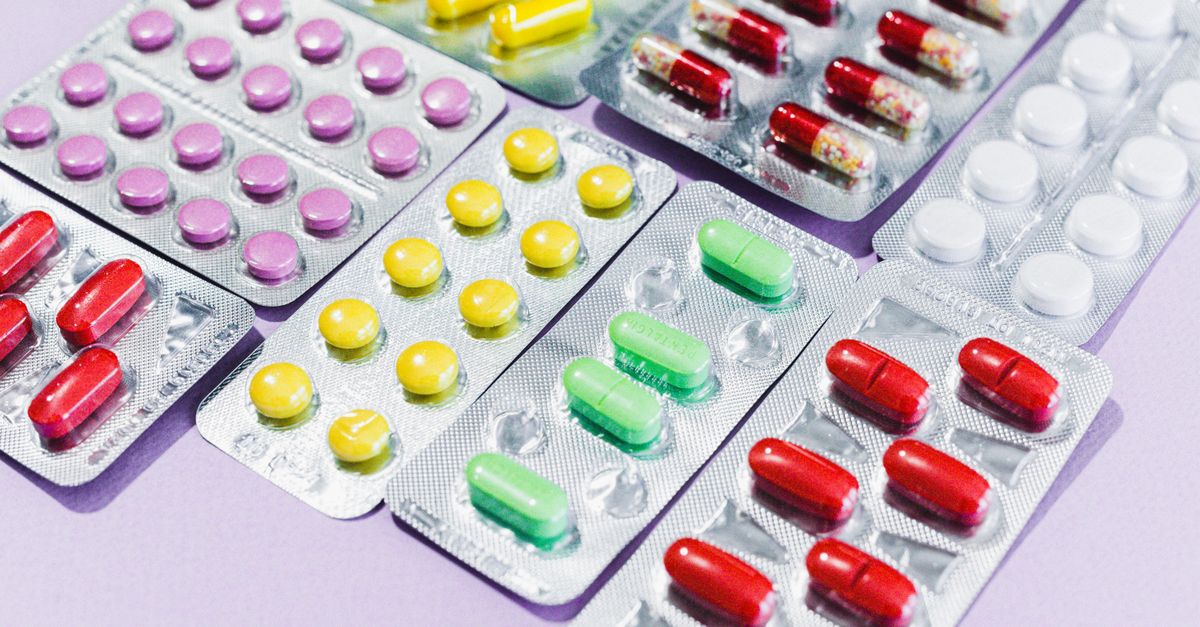
How Much Ferrous Bisglycinate Should You Take?
For most iron-deficient adults, the therapeutic dose of ferrous bisglycinate is 25–36 mg of elemental iron per day — roughly one to two capsules depending on product concentration. That said, the right amount depends entirely on your ferritin level and deficiency stage: someone with depleted stores (ferritin < 12 ng/mL) may need 60–90 days of supplementation, while someone maintaining adequate iron needs far less or none at all.
---
What Makes Ferrous Bisglycinate Different From Other Iron Forms?
Ferrous bisglycinate is a chelated iron form in which two glycine molecules are bound to a ferrous (Fe²⁺) iron atom. This chelation structure protects iron from inhibitors like phytates and tannins in food, meaning absorption is significantly higher than non-chelated salts like ferrous sulfate.
A landmark comparison study found that ferrous bisglycinate produced 4.14 times greater iron absorption than ferrous sulfate under equivalent elemental iron doses (Bovell-Benjamin et al., Nutrition, 2000; PMID: 10798214). A later pediatric trial confirmed that bisglycinate supplementation at 18 mg elemental iron raised hemoglobin and serum ferritin more efficiently than sulfate at twice the dose (Szarfarc et al., Nutrition Research, 2001; PMID: 11399532).
The mechanistic reason matters: non-chelated iron salts must be dissociated in gastric acid before the freed Fe²⁺ ion can bind to divalent metal transporter 1 (DMT-1) in the duodenal brush border. Ferrous bisglycinate, by contrast, is absorbed as an intact chelate through a separate peptide transporter pathway, bypassing competitive inhibition at DMT-1 almost entirely. This is why studies consistently show bisglycinate raises ferritin with fewer gastrointestinal side effects — the iron never lingers unabsorbed in the colon long enough to cause the oxidative mucosal irritation that drives constipation and cramping with sulfate forms.
Because absorption is higher, you can achieve therapeutic outcomes with lower elemental iron doses — which also explains why GI side effects (constipation, nausea, cramping) are far less common with bisglycinate than with ferrous sulfate or fumarate.
Common Iron Forms Compared
| Iron Form | Relative Absorption | GI Tolerability | Typical Daily Dose |
|---|---|---|---|
| Ferrous sulfate | Baseline (1×) | Poor | 65–200 mg elemental Fe |
| Ferrous fumarate | ~1.2× | Moderate | 65–200 mg elemental Fe |
| Ferrous gluconate | ~1.1× | Moderate | 36–72 mg elemental Fe |
| Ferrous bisglycinate | 3–4× | Excellent | 18–60 mg elemental Fe |
| Ferric pyrophosphate | ~0.8× | Good | 14–30 mg elemental Fe |
---
How Much Ferrous Bisglycinate Should You Take by Deficiency Stage?
Dosing isn't arbitrary — it maps directly to how severely your iron stores are depleted. The three clinical stages of iron deficiency each call for a different strategy.
Stage 1: Iron Depletion (Low Ferritin, Normal Hemoglobin)
Ferritin is below 30 ng/mL but you don't yet have anemia. At this stage, many practitioners recommend 18–25 mg elemental iron as ferrous bisglycinate daily. Some trials use alternate-day dosing (every other day) at this stage to avoid hepcidin upregulation — the hormone your body releases after iron absorption that briefly shuts down further uptake. A 2015 Swiss study found that alternate-day dosing resulted in 40% greater fractional iron absorption over two weeks compared to daily dosing in iron-depleted women (Moretti et al., Lancet Haematology, 2015; PMID: 26544750). The effect is specific to people with intact hepcidin regulation; individuals with chronic inflammatory states may not show the same benefit because baseline hepcidin is already chronically elevated, negating the timing advantage.
Stage 2: Iron-Deficient Erythropoiesis (Ferritin < 12 ng/mL, Low Transferrin Saturation)
Red blood cell production is compromised but full anemia hasn't developed. Therapeutic supplementation of 25–36 mg elemental iron daily is appropriate, and daily (rather than alternate-day) dosing is often warranted given the more significant depletion. At this stage, transferrin saturation below 16% alongside a falling MCV is a reliable signal that the bone marrow is iron-starved even if hemoglobin hasn't yet crossed the clinical anemia threshold. Intervening here — before hemoglobin drops — is considerably easier than reversing established anemia, which requires higher doses for longer periods.
Stage 3: Iron Deficiency Anemia (Low Hemoglobin + Low Ferritin)
Hemoglobin is below 12 g/dL (women) or 13 g/dL (men) and ferritin is severely depleted. Clinical guidance typically calls for 60–120 mg elemental iron per day in divided doses — though this is usually medically supervised. A key point often missed in practice: hemoglobin recovers faster than ferritin. Stopping supplementation when hemoglobin normalizes — typically at 6–8 weeks — leaves iron stores still critically low and almost guarantees relapse within three to six months. Guidelines recommend continuing treatment for at least three months after hemoglobin normalization to fully replenish tissue stores (WHO, Iron Deficiency Anaemia: Assessment, Prevention and Control, 2001).
Ferrous bisglycinate remains preferred at this stage because tolerability is essential for long-term adherence at higher doses. For context on how to interpret your labs alongside dosing decisions, see how much ferrous bisglycinate per day for a full breakdown by ferritin bracket.
Quick Reference: Dosing by Deficiency Stage
| Deficiency Stage | Ferritin Range | Suggested Elemental Iron (Bisglycinate) | Dosing Frequency |
|---|---|---|---|
| Depletion (Stage 1) | 12–30 ng/mL | 18–25 mg/day | Alternate-day or daily |
| Iron-deficient erythropoiesis (Stage 2) | < 12 ng/mL | 25–36 mg/day | Daily |
| Iron deficiency anemia (Stage 3) | < 12 ng/mL + low Hgb | 60–120 mg/day (divided) | Daily, medically supervised |
| Maintenance (replete) | > 30 ng/mL | 0–9 mg/day (dietary emphasis) | As needed |
---
Can You Take Too Much Ferrous Bisglycinate?
Yes — and this point matters more than most supplement labels acknowledge. Iron overload from supplementation is uncommon but not rare, particularly in people who supplement without testing. Excess iron generates free radicals through the Fenton reaction, contributing to oxidative stress in the liver, heart, and pancreas.
The tolerable upper intake level (UL) for iron from all sources is 45 mg/day for adults in the United States (NIH Office of Dietary Supplements, 2023). Consistent intake well above this threshold without lab monitoring can elevate ferritin into ranges associated with metabolic risk.
For individuals with hereditary hemochromatosis — a common genetic condition affecting roughly 1 in 200 people of Northern European descent — even modest supplemental iron is contraindicated. The HFE gene variants C282Y and H63D are the most common culprits; homozygous C282Y carriers can accumulate 0.5–1 g of excess iron per year even without supplementation. Before starting any iron supplement, a serum ferritin plus transferrin saturation panel is the minimum baseline. A transferrin saturation above 45% in the fasting state is a red flag that warrants genetic testing before any supplemental iron is considered.
For a detailed look at upper-limit safety, see can you take too much ferrous bisglycinate and how much ferrous bisglycinate is too much.
---
When Is the Best Time to Take Ferrous Bisglycinate?
The optimal time to take ferrous bisglycinate is in the morning, on an empty stomach or with a small amount of food. Iron absorption is highest when gastric acid production is at its peak and when competing minerals (calcium, zinc) haven't been consumed yet.
Practical timing rules:
- Take ferrous bisglycinate at least 30–60 minutes before breakfast, or 2 hours after.
- Avoid taking it with calcium supplements, dairy, or antacids — calcium competes directly with iron at intestinal transporters.
- Pair with 250 mg vitamin C (ascorbic acid) to enhance absorption by reducing Fe³⁺ back to the more bioavailable Fe²⁺ form — though bisglycinate's chelation partially bypasses this requirement.
- Separate from thyroid medications (levothyroxine) by at least 4 hours; iron chelates the drug and reduces its absorption significantly.
- If GI sensitivity is an issue, taking bisglycinate with a light meal reduces nausea with minimal absorption penalty compared to other iron forms.
- Avoid co-administration with high-polyphenol beverages like coffee or black tea within 60 minutes — even chelated iron is partially inhibited by high tannin concentrations, though the degree of inhibition is substantially less than with sulfate forms.
---
How Long Does It Take Ferrous Bisglycinate to Work?
You won't feel a difference overnight. Here's what the research suggests about timeline:
- 2–4 weeks: Early improvement in energy and cognitive fog in iron-depleted (non-anemic) individuals, as iron-dependent enzymes in the brain — including monoamine oxidase and ribonucleotide reductase — begin normalizing. Cognitive improvements in attention and processing speed have been documented in iron-depleted women after just 8 weeks of supplementation at 18 mg/day (Murray-Kolb & Beard, American Journal of Clinical Nutrition, 2007; PMID: 17344486).
- 4–8 weeks: Hemoglobin begins recovering in iron deficiency anemia; most trials show a 1–2 g/dL rise in Hgb over 8 weeks with adequate dosing (Skikne et al., Blood, 1990; PMID: 2393680).
- 3–6 months: Full ferritin repletion. Ferritin replenishment lags hemoglobin recovery by weeks — this is why stopping supplementation at the first sign of hemoglobin improvement leads to relapse.
For a more complete look at what to expect month by month, see how long does ferrous bisglycinate take to work.
---
What Affects How Much You Personally Need?
Several physiological and lifestyle factors shift your actual iron requirement meaningfully:
- Menstruation: Women with heavy menstrual cycles lose 30–40 mg of iron per cycle above baseline; requirements are substantially higher. Menorrhagia — defined as blood loss exceeding 80 mL per cycle — can deplete iron stores faster than most oral supplements can replenish them, making concurrent gynecological evaluation important.
- Pregnancy: Requirements jump to 27 mg/day from all sources combined (NIH ODS, 2023); bisglycinate is often preferred over sulfate for tolerability throughout all trimesters.
- Endurance athletes: Distance runners experience hemolysis from foot strike and elevated hepcidin post-exercise, increasing iron turnover. Studies show serum ferritin below 35 ng/mL correlates with impaired VO₂max and performance (Burden et al., International Journal of Sport Nutrition and Exercise Metabolism, 2015; PMID: 25029255). In this population, post-exercise supplementation timing is particularly important: hepcidin peaks 3–6 hours after intense training, so taking iron immediately post-workout predictably reduces absorption. Morning dosing on rest days or before training is a more effective protocol.
- Vegetarians and vegans: Non-heme iron (plant sources) is absorbed at roughly 3–8% versus 15–35% for heme iron. Requirements may be 1.8× higher than for omnivores.
- GI conditions: Celiac disease, Crohn's, and gastric bypass surgery all impair duodenal iron absorption, often requiring higher doses or IV iron. Bisglycinate's peptide transporter pathway provides a modest advantage here, but severe mucosal damage may still necessitate parenteral administration.
- Age: Older adults produce less gastric acid (hypochlorhydria), reducing all mineral absorption; bisglycinate's absorption advantage is especially pronounced in this group because it relies less on an acidic environment than non-chelated iron salts.
---
What This Means for Your Formula
At Ones, iron supplementation is one of the decisions the AI handles with particular care — because both too little and too much carry real physiological risk. Rather than defaulting everyone to a standard iron capsule, Ones analyzes uploaded blood panels including serum ferritin, hemoglobin, and transferrin saturation before making any iron recommendation.
When ferrous bisglycinate is included in a Ones formula, it's dosed to match the user's specific deficiency stage — Stage 1 depletion might call for 18 mg elemental iron on an alternate-day schedule, while a user presenting with Stage 2 deficiency would receive a daily 25–36 mg dose integrated into their 6 or 9-capsule daily plan.
The formula may also include supporting cofactors: Vitamin C is frequently paired to preserve the Fe²⁺ state in the GI tract. Vitamin B12 (methylcobalamin) may be co-included where megaloblastic anemia indicators overlap with iron deficiency — a combination that matters when interpreting an elevated MCV alongside low ferritin, since the two deficiencies can mask each other on a standard CBC. The best time to take vitamin b12 is also factored in to avoid timing conflicts with iron. Users who have not uploaded labs are flagged in the AI assessment as unable to receive a safe iron recommendation until baseline ferritin data is available — a deliberate safeguard against over-supplementation in people who may already have adequate or elevated iron stores.
---
Key Takeaways
- Dose is determined by deficiency stage, not preference: Stage 1 depletion calls for 18–25 mg elemental iron; Stage 3 anemia may require 60–120 mg/day under medical supervision.
- Ferrous bisglycinate absorbs 3–4× better than ferrous sulfate via a separate peptide transporter pathway, enabling lower doses with fewer GI side effects.
- Alternate-day dosing at Stage 1 can increase fractional absorption by up to 40% by avoiding hepcidin rebound — but this advantage disappears in people with chronic inflammation.
- Never supplement iron without baseline labs: A ferritin plus transferrin saturation panel is the minimum; transferrin saturation above 45% warrants hemochromatosis screening before any supplemental iron is started.
- Hemoglobin recovers faster than ferritin: Continue supplementation at least three months after hemoglobin normalizes to prevent relapse.
- Timing and co-factors matter: Morning dosing on an empty stomach, separated from calcium and thyroid medication, with optional vitamin C co-administration gives bisglycinate the best possible absorption environment.