Lab Results
What Is a Normal ESR Level?: Optimal Ranges, Warning Signs, and Targeted Support
Your erythrocyte sedimentation rate (ESR) is one of medicine's oldest and most underappreciated inflammatory markers — yet millions of people receive an ESR result without a clear explanation of what it actually means for their health. A high ESR rarely occurs in isolation: it often signals an underlying inflammatory burden that can silently affect your joints, thyroid, cardiovascular system, and more. Understanding your number — and what drives it — is the first step toward targeted, evidence-based action.
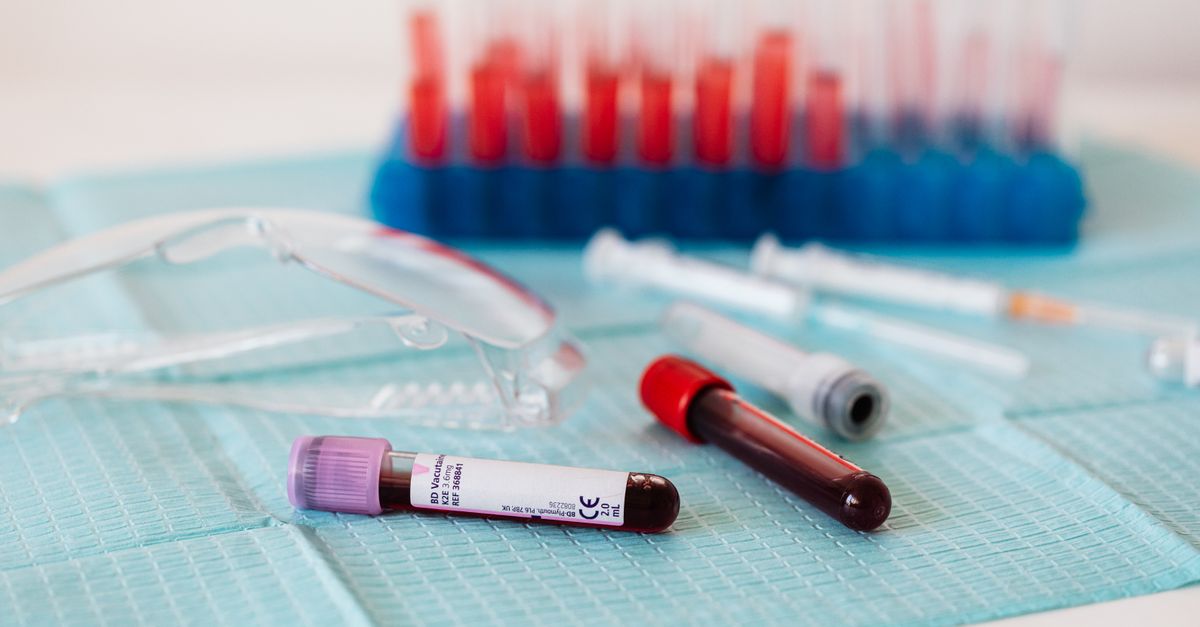
What Is a Normal ESR Level? Optimal Ranges, Warning Signs, and Targeted Support
The erythrocyte sedimentation rate (ESR) is one of the most widely ordered blood tests in medicine, yet it remains one of the least explained to patients. An ESR measures how quickly red blood cells settle to the bottom of a test tube over one hour — and the faster they fall, the more likely it is that inflammatory proteins are present in your blood. This simple physics test has been used in clinical practice for over a century, and modern research continues to confirm its value as an early-warning signal for systemic inflammation, autoimmune activity, and chronic disease risk.
If you have recently received an ESR result — or you are trying to understand what your lab panel is telling you — this article breaks down normal ESR levels by age and sex, explains what elevated readings actually mean, and outlines the nutritional and lifestyle strategies most supported by clinical evidence.
---
ESR Normal Ranges: What the Numbers Mean
ESR is reported in millimeters per hour (mm/hr). Reference ranges vary by age, sex, and the laboratory methodology used (Westergren is the most common). The widely accepted Westergren reference ranges are:
| Population | Conventional Reference Range | Optimal / Low-Inflammation Range |
|---|---|---|
| Men under 50 | 0–15 mm/hr | < 10 mm/hr |
| Men over 50 | 0–20 mm/hr | < 15 mm/hr |
| Women under 50 | 0–20 mm/hr | < 12 mm/hr |
| Women over 50 | 0–30 mm/hr | < 20 mm/hr |
| Children | 0–10 mm/hr | < 8 mm/hr |
Importantly, being within the conventional reference range does not guarantee optimal health. Studies of large population cohorts have shown that ESR values in the upper half of the "normal" range — particularly above 15 mm/hr in younger adults — are associated with modestly elevated cardiovascular risk and all-cause mortality over time (Andresdottir et al., American Journal of Epidemiology 2003; PMID: 12746239).
A simple formula attributed to the Miller criteria offers an age-adjusted upper limit of normal:
- Men: Age ÷ 2
- Women: (Age + 10) ÷ 2
For a 40-year-old woman, that formula suggests 25 mm/hr as the upper limit — slightly different from some lab reference ranges, illustrating why context always matters.
---
What Causes a High ESR Level?
ESR is a nonspecific marker. It rises whenever inflammatory proteins — particularly fibrinogen, globulins, and C-reactive protein — increase in the bloodstream, causing red blood cells to clump together and sink faster. Common drivers include:
- Autoimmune conditions: Rheumatoid arthritis, lupus, polymyalgia rheumatica, and thyroid autoimmunity are classic causes of persistent ESR elevation.
- Infection: Both bacterial and viral infections raise ESR, though it lags behind CRP by 24–48 hours and remains elevated longer during recovery.
- Anemia: Fewer red blood cells change the sedimentation dynamics independent of inflammation, artificially elevating ESR.
- Pregnancy: ESR rises physiologically during the second and third trimesters.
- Chronic inflammatory disease: Inflammatory bowel disease, chronic kidney disease, and metabolic syndrome are all associated with persistently elevated ESR (Osei-Bimpong et al., International Journal of Laboratory Hematology 2011; PMID: 21114624).
- Malignancy: Certain cancers, particularly multiple myeloma, lymphoma, and solid tumors, produce paraproteins that dramatically elevate ESR — sometimes above 100 mm/hr.
A very high ESR (above 100 mm/hr) should always prompt further investigation. In clinical practice, the most common confirmed diagnoses at that threshold are infection, malignancy, and connective tissue disease.
Conversely, a very low ESR (near 0 mm/hr) is generally not a clinical concern but can be seen in polycythemia vera and sickle cell disease.
---
ESR vs. CRP: Which Inflammation Marker Matters More?
Many labs now report both ESR and high-sensitivity CRP (hs-CRP), and patients often wonder which one to prioritize. They measure different aspects of inflammation:
| Feature | ESR | hs-CRP |
|---|---|---|
| Response speed | Rises over 24–48 hrs | Rises within hours |
| Returns to baseline | Slow (days to weeks) | Fast (days) |
| Affected by anemia | Yes | No |
| Cardiovascular risk predictor | Moderate | Strong |
| Autoimmune disease monitoring | Strong | Moderate |
For cardiovascular risk stratification, hs-CRP is generally preferred. For monitoring autoimmune conditions like rheumatoid arthritis or polymyalgia rheumatica, ESR remains a key tool. Using both together gives a more complete picture of inflammatory burden than either alone.
If your hs-CRP is normal but your ESR is elevated, your clinician will typically investigate for chronic infection, autoimmune disease, or malignancy rather than acute cardiovascular inflammation. For more on interpreting inflammatory markers alongside other biomarkers, see our guide on understanding CRP and inflammation lab results.
---
ESR and Thyroid Disease: A Critical Connection
One of the most clinically relevant reasons ESR appears on a thyroid workup is that autoimmune thyroid conditions — particularly Hashimoto's thyroiditis and subacute thyroiditis — are among the most common causes of a chronically elevated ESR in otherwise healthy adults. This is why understanding ESR cannot be fully separated from understanding your thyroid markers.
What Is a Normal TSH Level?
Thyroid-stimulating hormone (TSH) is the primary screening test for thyroid function. The conventional reference range is approximately 0.4–4.5 mIU/L, but many integrative and functional medicine clinicians consider an optimal range of 1.0–2.5 mIU/L for symptom-free adults. Large epidemiological studies have found that TSH values above 2.5 mIU/L — even within the conventional normal range — are associated with a higher prevalence of thyroid peroxidase (TPO) antibodies and early Hashimoto's autoimmunity (Vanderpump et al., Clinical Endocrinology 1995; PMID: 7671927). If your ESR is elevated and your TSH sits in the upper-normal range, thyroid autoimmunity screening is warranted.
What Is a Normal Free T4 Level?
Free T4 (thyroxine) reflects how much active hormone the thyroid is producing before conversion. The conventional reference range is typically 0.8–1.8 ng/dL, with many clinicians targeting 1.1–1.4 ng/dL as the optimal zone. Low-normal free T4 combined with a high-normal TSH and elevated ESR can be an early signature of Hashimoto's thyroiditis before overt hypothyroidism develops. Subclinical hypothyroidism — defined as elevated TSH with normal free T4 — affects up to 10% of women over 60 and is associated with elevated inflammatory markers including ESR.
What Is a Normal Free T3 Level?
Free T3 (triiodothyronine) is the biologically active thyroid hormone that enters cells. Normal reference ranges are generally 2.3–4.2 pg/mL, with optimal often cited at 3.2–4.2 pg/mL. Poor conversion of T4 to T3 — which can be worsened by chronic inflammation, selenium deficiency, and elevated cortisol — can result in a normal TSH and free T4 with a low free T3 and persistent symptoms. Selenium plays a critical role in this conversion via the selenoprotein deiodinase enzymes (Köhrle, Biochimie 1999; PMID: 10488258).
What Is a Normal Thyroid Antibodies Level?
Thyroid peroxidase antibodies (TPO-Ab) and thyroglobulin antibodies (TgAb) are markers of autoimmune thyroid activity. Conventional labs typically flag TPO-Ab above 35 IU/mL as positive, though some labs use 34 IU/mL as their cutoff. A truly optimal result is below 15 IU/mL. Elevated thyroid antibodies — even with a normal TSH — are associated with chronically elevated ESR due to the ongoing immune activation that characterizes Hashimoto's thyroiditis. In the Whickham Survey follow-up, elevated TPO antibodies predicted progression to overt hypothyroidism and correlated with systemic inflammatory markers (Vanderpump et al., Clinical Endocrinology 1995; PMID: 7671927). If your ESR is unexplained, requesting TPO-Ab and TgAb testing is a logical next step.
---
Lifestyle and Nutritional Strategies to Support a Healthy ESR
While ESR itself is not directly treated, reducing the underlying inflammatory burden that drives it is well within the reach of targeted nutrition and lifestyle change. The following strategies are supported by clinical evidence:
1. Omega-3 fatty acids: EPA and DHA suppress pro-inflammatory eicosanoids and cytokines. A meta-analysis of randomized controlled trials found that omega-3 supplementation significantly reduced CRP and other inflammatory markers, with benefits observed at doses of 2–4 g EPA+DHA per day (Calder, British Journal of Nutrition 2012; PMID: 22591891).
2. Vitamin D3 optimization: Vitamin D deficiency is independently associated with elevated inflammatory markers. Supplementing to achieve serum 25(OH)D levels of 40–60 ng/mL is associated with reduced autoimmune risk and lower inflammatory burden (Holick et al., Journal of Clinical Endocrinology & Metabolism 2011; PMID: 21646368).
3. Selenium: Critical for thyroid hormone conversion and for downregulating thyroid autoimmunity. A 200 mcg/day selenomethionine protocol reduced TPO antibody titers significantly in a randomized trial in Hashimoto's patients (Gärtner et al., Journal of Clinical Endocrinology & Metabolism 2002; PMID: 11932302).
4. Anti-inflammatory dietary pattern: The Mediterranean diet, characterized by high olive oil, fatty fish, vegetables, legumes, and nuts, consistently reduces CRP and ESR in clinical trials. Even modest dietary shifts toward this pattern produce measurable improvements in inflammatory markers within 3–6 months.
5. Stress management: Chronic psychological stress elevates cortisol, which paradoxically promotes low-grade systemic inflammation when chronically activated. Adaptogenic herbs and mind-body practices can play a meaningful supporting role.
For a broader look at how blood markers reflect your inflammatory status, see our article on optimal lab ranges for inflammation and immune health.
---
What This Means for Your Formula
At Ones, an elevated ESR doesn't get treated as an isolated data point. The AI practitioner cross-references your ESR against your thyroid panel, CRP, ferritin, vitamin D level, and wearable-derived stress and sleep data before building a personalized formula — because the mechanism driving your high ESR determines which ingredients actually make sense.
Here are three ingredients that may appear in an Ones formula when elevated ESR coincides with thyroid autoimmunity or chronic inflammation:
- Omega-3 (EPA/DHA): Ones sources a high-concentration EPA/DHA formula calibrated to clinically studied anti-inflammatory doses. For users whose wearable data and labs suggest significant inflammatory burden, the AI may prioritize this ingredient prominently in the capsule budget.
- Vitamin D3 + K2 (MK-7): Ones pairs D3 with MK-7 to support both immune modulation and vascular calcium handling. Users with 25(OH)D below 30 ng/mL in their blood work are typically flagged for meaningful D3 supplementation, since vitamin D deficiency is among the most modifiable drivers of immune dysregulation and elevated ESR.
- Ones Thyroid Support blend: This proprietary system blend is designed for users showing markers consistent with thyroid dysfunction — elevated TSH, suboptimal free T3/T4 ratios, or elevated thyroid antibodies. It includes selenium in the selenomethionine form at doses aligned with the Gärtner 2002 trial protocol, alongside complementary thyroid-supportive nutrients.
If your labs show an elevated ESR alongside thyroid or metabolic findings, uploading your results to Ones allows the AI to identify the most likely mechanism and reflect that in your custom capsule plan — rather than defaulting to a generic anti-inflammatory stack.
---
Key Takeaways
- A normal ESR level is generally below 15 mm/hr for men and 20 mm/hr for women under 50, but optimal is lower — and age-adjusted formulas provide a more individualized target.
- ESR is a nonspecific inflammation marker that rises with autoimmune disease, infection, anemia, chronic inflammatory conditions, and malignancy; a result above 100 mm/hr always warrants urgent follow-up.
- ESR and CRP are complementary: CRP responds faster and is a stronger cardiovascular predictor, while ESR is more useful for monitoring autoimmune disease activity over time.
- Thyroid autoimmunity — particularly Hashimoto's thyroiditis — is a leading cause of unexplained elevated ESR; testing TSH, free T4, free T3, TPO-Ab, and TgAb together provides the full picture.
- Omega-3 fatty acids, vitamin D3, and selenomethionine are among the best-evidenced nutritional interventions for reducing inflammatory burden and supporting thyroid antibody levels.
- Ones uses your blood work, wearable data, and health history together to identify the mechanism driving your elevated ESR and build a targeted formula — not a generic supplement stack.
---
This article is for educational purposes only and does not constitute medical advice. Always consult a qualified healthcare provider before making changes to your supplement regimen or interpreting lab results.