Supplements
What Does Prolactin Actually Measure?
Most people assume prolactin is only relevant during pregnancy or breastfeeding — but this pituitary hormone regulates reproductive function, dopamine signaling, and immune balance in both sexes. Mildly elevated prolactin is one of the most overlooked drivers of low libido, irregular cycles, and unexplained fatigue.
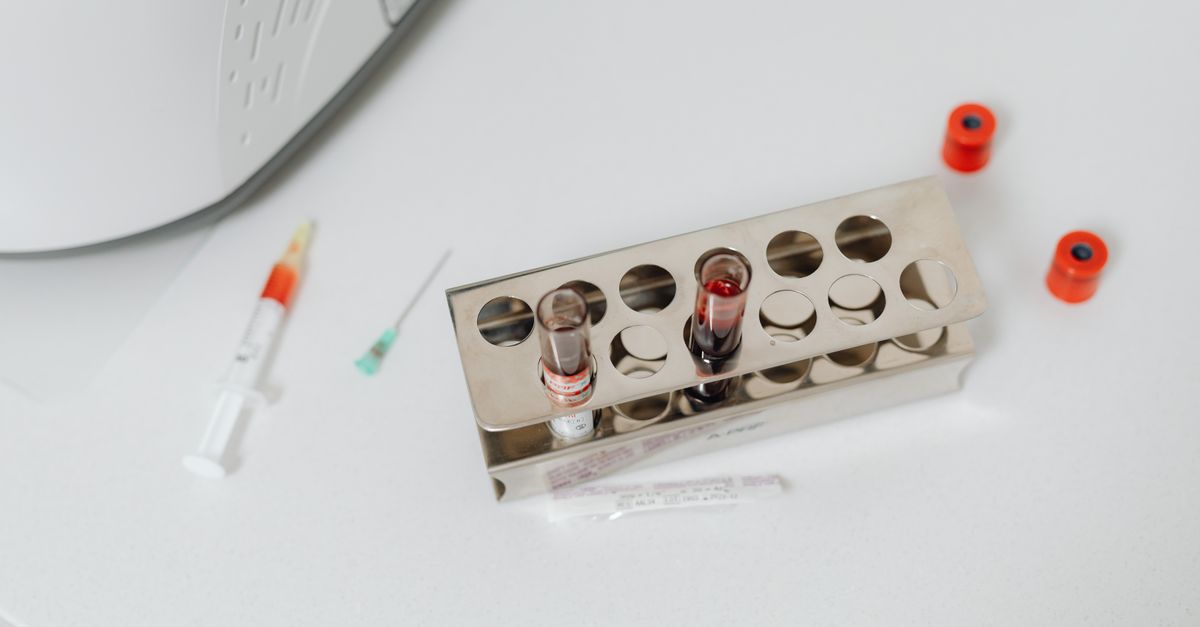
What Does Prolactin Actually Measure?
Prolactin measures the output of a single pituitary hormone that governs lactation, reproductive axis function, and dopamine tone. For most non-pregnant adults, the normal range sits between 2–18 ng/mL in women and 2–14 ng/mL in men. Elevated prolactin — even modestly — suppresses LH and FSH, blunting testosterone and estrogen production. The exception: levels spike transiently with stress, intense exercise, and sex, so a single high reading requires confirmation.
What Prolactin Actually Controls in the Body
Prolactin is secreted by lactotroph cells in the anterior pituitary gland and is best known for stimulating breast milk production. But its biological reach is far wider. The hormone interacts with receptors in the gonads, adrenal glands, liver, immune cells, and central nervous system — making it one of the most pleiotropic hormones in the endocrine system.
The clearest way to understand prolactin's role is through its relationship with dopamine. Dopamine, released from the hypothalamus, is prolactin's primary inhibitor. When dopamine tone is high, prolactin stays suppressed. When dopamine tone drops — through chronic stress, certain medications, or pituitary pathology — prolactin rises. This seesaw relationship explains why chronically elevated prolactin can present with symptoms that overlap heavily with low dopamine: loss of motivation, blunted reward response, reduced libido, and difficulty concentrating.
In women of reproductive age, prolactin exerts direct suppression of GnRH pulsatility. When levels climb above roughly 25 ng/mL, pituitary output of LH and FSH decreases — the same hormones responsible for triggering ovulation and sustaining estrogen production (see what LH actually measures and what FSH actually measures for more on that cascade). The clinical result is oligomenorrhea, anovulatory cycles, or secondary amenorrhea. In men, the same suppression of LH reduces Leydig cell stimulation, dropping testosterone synthesis. A 2014 review in the European Journal of Endocrinology confirmed that men with hyperprolactinemia show significantly reduced total and free testosterone alongside classic hypogonadal symptoms (Corona et al., Eur J Endocrinol 2014; PMID: 24470334).
Beyond reproduction, prolactin participates in immune modulation. It acts as a cytokine-like signal that upregulates T-cell and natural killer cell activity — which is why some autoimmune conditions, including lupus and rheumatoid arthritis, show correlations with mild hyperprolactinemia (McMurray & Jacobson, Endocr Rev 1993; PMID: 8243216).
Normal vs. Elevated Prolactin: Reading the Numbers
Reference ranges vary slightly between labs, but the following tiers reflect standard clinical interpretation:
| Prolactin Level | Interpretation |
|---|---|
| < 2 ng/mL | Below normal (rare; consider pituitary insufficiency) |
| 2–18 ng/mL (women) | Normal |
| 2–14 ng/mL (men) | Normal |
| 18–25 ng/mL | Mildly elevated — retest to confirm, check medications |
| 25–100 ng/mL | Moderate hyperprolactinemia — investigate pituitary, thyroid, medications |
| > 100–200 ng/mL | Strongly suggests prolactinoma |
| > 500 ng/mL | Almost always a macroprolactinoma |
One crucial confound: macroprolactin. In roughly 10–25% of patients with elevated prolactin, the circulating hormone is biologically inactive macroprolactin — large immune complexes that elevate immunoassay readings without producing symptoms. Most labs now offer a polyethylene glycol (PEG) precipitation test to screen for macroprolactinemia; if macroprolactin accounts for the majority of the reading, clinical significance drops sharply.
Another important confound is the "hook effect" in immunoassays — extremely high prolactin levels can paradoxically read as normal or only mildly elevated on standard assays. If a large pituitary adenoma is suspected clinically but prolactin reads < 200 ng/mL, requesting a diluted sample is standard practice.
Hypothyroidism is one of the most commonly missed causes of secondary hyperprolactinemia. Low thyroid hormone raises TRH (thyrotropin-releasing hormone), which stimulates both TSH and prolactin release. Checking free T4 alongside prolactin is therefore standard workup practice — the free T4 interpretation guide covers how to read that result in context.
Common Causes of High Prolactin
Elevated prolactin is never a diagnosis on its own — it is always a signal pointing to an upstream driver. The most clinically common causes include:
- Medications — Dopamine-blocking drugs (antipsychotics, metoclopramide, domperidone, some antidepressants) are the leading cause of drug-induced hyperprolactinemia. This is dose-dependent and reverses after discontinuation.
- Hypothyroidism — Elevated TRH drives prolactin up secondarily. TSH and free T4 should always be checked alongside prolactin.
- Pituitary adenoma (prolactinoma) — The most common pituitary tumor; small microprolactinomas are often managed with dopamine agonists rather than surgery.
- Chronic stress and sleep disruption — Prolactin rises during NREM sleep and spikes with acute physiological stress. Chronically poor sleep elevates basal prolactin modestly.
- Strenuous exercise — A single hard training session can transiently elevate prolactin by 50–100%. Always collect blood before morning exercise if prolactin is on the panel.
- Nipple stimulation and orgasm — Both trigger acute prolactin release. Instruct patients to avoid these in the 24 hours before testing.
- Kidney or liver disease — Reduced clearance of prolactin elevates steady-state levels. CRP and liver enzymes often appear on the same panel; the what CRP actually measures guide explains how to read inflammatory markers in that context.
Symptoms Associated With Chronically Elevated Prolactin
Because prolactin suppresses the HPG (hypothalamic-pituitary-gonadal) axis and competes with dopamine signaling, its symptom picture is broader than most patients expect:
- Reduced libido — consistent across both sexes; often the first reported complaint
- Erectile dysfunction or reduced spontaneous erections in men
- Irregular or absent menstrual cycles in premenopausal women
- Galactorrhea (inappropriate milk production) — present in a minority of hyperprolactinemic patients; more common in women
- Infertility — anovulation in women, reduced sperm motility in men
- Bone loss — via hypogonadism-driven reductions in estrogen or testosterone; long-term hyperprolactinemia is an underappreciated risk factor for osteopenia
- Fatigue and low mood — attributable to both low sex hormones and reduced central dopamine tone
- Headaches and visual disturbances — when a pituitary macroadenoma compresses the optic chiasm
A 2006 prospective study in the Journal of Clinical Endocrinology & Metabolism found that men with idiopathic hyperprolactinemia (median prolactin 32 ng/mL) had testosterone levels averaging 38% lower than age-matched controls, with the deficit directly correlated to prolactin elevation (Netto et al., JCEM 2006; PMID: 16352686).
How Prolactin Interacts With Other Biomarkers on Your Panel
Prolactin does not exist in isolation — it sits at the intersection of several hormonal axes that commonly appear together on a comprehensive lab panel:
- LH and FSH: Hyperprolactinemia suppresses GnRH pulsatility, flattening LH and FSH peaks. If you see low-normal LH/FSH alongside low testosterone or estrogen, elevated prolactin is a key differential.
- Testosterone: Low total testosterone with flat LH suggests either pituitary dysfunction or elevated prolactin. Checking prolactin before initiating testosterone therapy is considered standard of care by many endocrinologists.
- TSH / Free T4: Always checked together with prolactin in workup, since hypothyroidism-driven hyperprolactinemia resolves completely with thyroid treatment.
- Fasting glucose and insulin: Prolactin has metabolic effects — higher prolactin correlates inversely with insulin sensitivity in some observational data. Understanding what fasting glucose actually measures in this context can add nuance to metabolic interpretation.
- Homocysteine: Not a direct prolactin downstream marker, but dopamine synthesis is B12- and folate-dependent, and hyperhomocysteinemia may reflect methylation insufficiency that indirectly impairs dopamine production. The homocysteine explainer covers that pathway in detail.
What to Do If Your Prolactin Is Elevated
Elevated prolactin on a first draw should not prompt panic or immediate treatment. The standard clinical approach is:
- Retest under controlled conditions — fasting, morning draw before exercise, 24 hours without nipple stimulation or sexual activity, and in a relaxed state.
- Review medications — flag any dopamine antagonists, opioids, or antidepressants with your prescribing physician before assuming a pituitary cause.
- Check thyroid function — TSH and free T4 resolve many secondary hyperprolactinemia cases entirely.
- Request a PEG precipitation test if the elevation is mild (18–50 ng/mL) and asymptomatic, to rule out macroprolactinemia.
- Consider pituitary MRI if prolactin exceeds 100 ng/mL on two separate draws without an obvious secondary cause.
- Dopamine agonist therapy (cabergoline or bromocriptine) is first-line for prolactinoma; both normalize prolactin in > 80% of patients and reduce tumor size (Colao et al., N Engl J Med 2010; PMID: 20445539).
For lifestyle-related mild elevations, reducing chronic psychological stress, improving sleep quality and duration, and moderating endurance training load are evidence-informed starting points before escalating to pharmacologic intervention.
What This Means for Your Formula
Ones does not currently stock dopamine agonists or prescription prolactin-lowering agents — those require physician management. However, several ingredients in the Ones catalog address the upstream drivers that contribute to functional hyperprolactinemia or its downstream hormonal consequences.
Ashwagandha (KSM-66, 600 mg): Adaptogenic herbs in this class have demonstrated reductions in cortisol — one of the physiological stressors that transiently elevates prolactin. A 2012 randomized controlled trial found KSM-66 ashwagandha at 300 mg twice daily reduced serum cortisol by 27.9% versus placebo over 60 days (Chandrasekhar et al., Indian J Psychol Med 2012; PMID: 23439798). Lower chronic stress burden supports more stable dopamine tone, the primary prolactin brake.
Thyroid Support (System Blend): Because hypothyroidism is one of the most correctable causes of secondary hyperprolactinemia, Ones' Thyroid Support blend is relevant for users whose lab work reveals low free T4 alongside elevated prolactin. The blend includes ingredients formulated around thyroid cofactor pathways.
Zinc: Zinc plays a supporting role in both testosterone synthesis and dopamine receptor sensitivity. Moderate zinc deficiency has been associated with reduced testosterone and blunted gonadotropin signaling — pathways directly relevant when elevated prolactin has already begun suppressing the HPG axis. Ones includes zinc as an individual active ingredient dosed within clinically studied ranges.
If your Ones AI analysis flags elevated prolactin alongside low LH, low FSH, or low testosterone, the formula generated will reflect those interconnected findings — not treat prolactin in isolation.
Key Takeaways
- Prolactin measures pituitary output of a hormone that governs lactation, reproductive axis signaling, and dopamine tone — in both sexes, not just during pregnancy.
- Mildly elevated prolactin (18–50 ng/mL) should be retested and confirmed before acting; medications, hypothyroidism, and macroprolactinemia account for a large share of cases.
- The HPG axis is the primary casualty of sustained hyperprolactinemia — LH, FSH, testosterone, and estrogen all drop downstream, producing low libido, cycle irregularities, and infertility.
- Always run prolactin alongside TSH, free T4, LH, FSH, and testosterone for a complete picture; isolated prolactin results without hormonal context are rarely actionable.
- Lifestyle contributors — chronic stress, poor sleep, and intense pre-draw exercise — are correctable before escalating to pharmacological workup.
- Clinically confirmed prolactinoma responds to dopamine agonist therapy in > 80% of cases; pituitary surgery is rarely necessary as a first-line option.